 by
by Pakistan’s National Game: Hockey– A Legacy of Passion and Glory
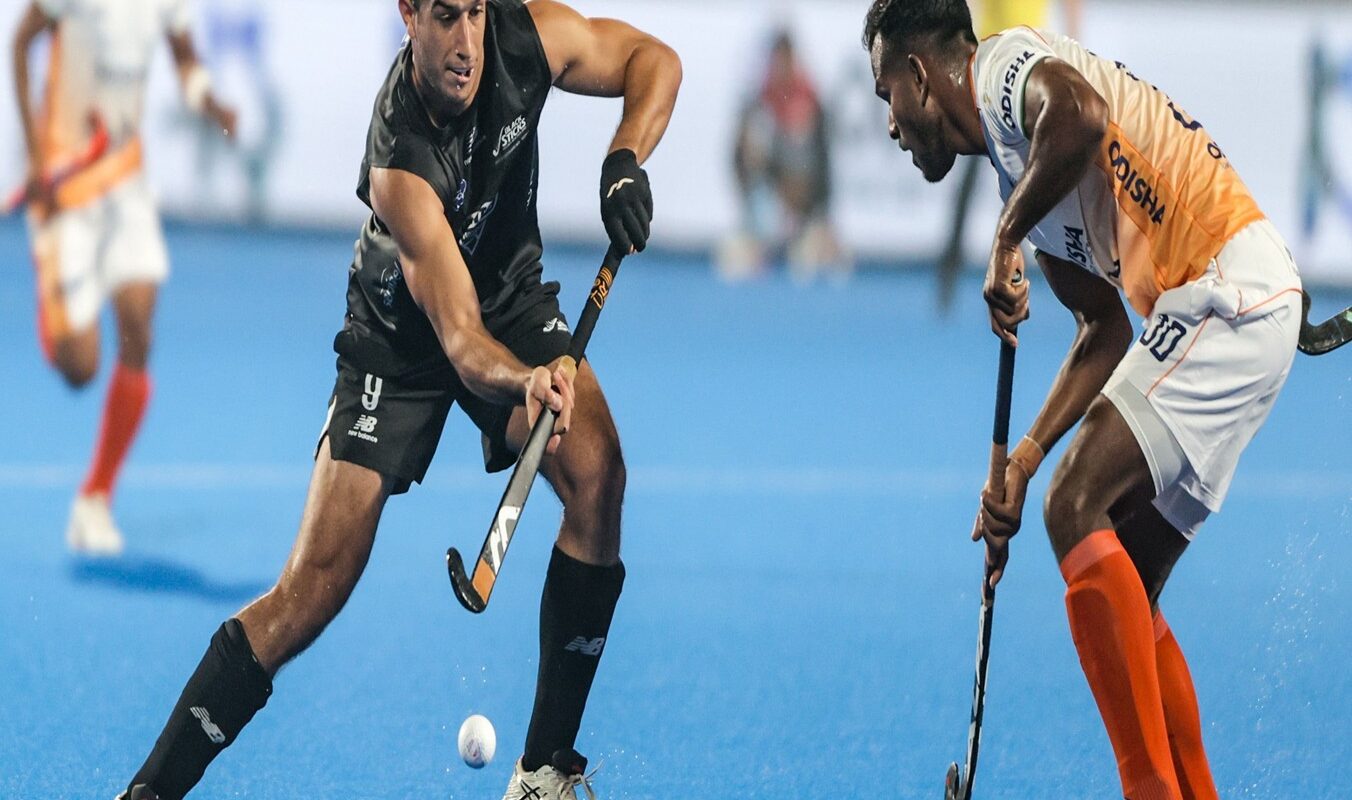
Hockey holds a special place in Pakistan’s heart. Designated as the country’s national game, it is not just a sport but a symbol of national pride, historical achievement, and cultural identity. Field hockey in Pakistan has a rich legacy, shaped by decades of triumphs, legendary players, and unforgettable moments on the global stage. From local grounds to international arenas, hockey has inspired generations and continues to be an integral part of Pakistan’s sporting fabric.
>Origins and History of Hockey in Pakistan
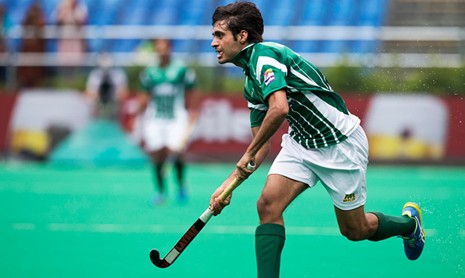
Hockey was introduced in the Indian subcontinent during British colonial rule in the late 19th and early 20th centuries. The sport quickly gained popularity, particularly in Punjab, where players exhibited exceptional skill and competitiveness. After Pakistan’s independence in 1947, hockey emerged as a symbol of national unity, and the newly formed country sought to establish its presence in international sports.
Pakistan’s hockey journey officially began with participation in international competitions such as the Olympics, Asian Games, and World Cup tournaments. The country rapidly developed a distinctive style characterized by fast-paced dribbling, tactical flexibility, and exceptional teamwork. Within a short period, Pakistan became a dominant force in the field hockey world.
>Golden Era of Pakistani Hockey
The period between the 1950s and the 1980s is often referred to as the “Golden Era” of Pakistani hockey. During this time, Pakistan established itself as one of the most formidable teams in the world. The country won its first Olympic gold medal in 1960 in Rome, defeating India in a historic final. This victory was not just a sporting achievement; it was a moment of immense national pride and a defining point for Pakistan’s identity on the global stage.
Following the Olympic triumph, Pakistan continued to dominate the international hockey scene. The country won Olympic gold again in 1968 (Mexico City) and 1984 (Los Angeles), firmly establishing itself as a hockey powerhouse. In addition, Pakistan claimed the Hockey World Cup title four times (1971, 1978, 1982, and 1994), a record that remains unmatched. These achievements reflect the combination of skill, discipline, and innovative strategies that Pakistani players brought to the game.
>Legendary Players and Their Impact
The success of Pakistan’s hockey is inseparable from the contributions of legendary players who left a lasting legacy. Players like Sohail Abbas, renowned for his incredible penalty corner skills and goal-scoring ability, became icons not just in Pakistan but globally. Manzoor Hussain Junior, Shahnaz Sheikh, and Islahuddin Siddique are other names etched in hockey history, inspiring young athletes to take up the sport.
These players were known for their agility, creativity, and teamwork. Their on-field strategies and precise execution turned matches in Pakistan’s favor and often made them the team to beat in major tournaments. Beyond their athletic skills, these figures also served as role models, exemplifying dedication, sportsmanship, and national pride.
>The Structure and Development of Hockey in Pakistan

Hockey in Pakistan is organized under the Pakistan Hockey Federation (PHF), which oversees domestic competitions, player development, and international representation. The PHF organizes national championships, inter-provincial tournaments, and junior-level competitions to identify and nurture emerging talent.
Despite its glorious history, hockey in Pakistan faces challenges in modern times, particularly in areas like infrastructure, coaching, and player development. Limited investment in training facilities and professional leagues has impacted the growth of the sport. However, initiatives by the PHF, private clubs, and sports organizations continue to promote hockey at grassroots levels.
Hockey– A Legacy of Passion and Glory
>Pakistan Hockey in the International Arena
Pakistan’s contribution to international hockey extends beyond trophies. The country has consistently introduced innovative techniques, strategies, and playing styles that influenced global hockey. For instance, Pakistan’s emphasis on dribbling and ball control became a hallmark of the team’s identity, distinguishing it from other national teams that relied heavily on physicality and strength.
International competitions such as the Olympics, Hockey World Cup, Champions Trophy, and Asian Games have seen Pakistan compete fiercely against global teams. While the dominance of Pakistan in hockey has faced challenges in recent decades due to increased competition, the country’s achievements continue to earn respect worldwide.
Hockey– A Legacy of Passion and Glory
>Challenges and Opportunities
Despite its historical success, hockey in Pakistan has faced setbacks over the past few decades. Factors such as inadequate infrastructure, lack of modern training facilities, limited financial support, and declining popularity among youth have hindered the sport’s growth. Many talented players often switch to cricket or other sports that offer better opportunities and recognition.
However, there are opportunities for revival. Grassroots programs, coaching camps, and international collaborations can reinvigorate Pakistan’s hockey scene. Encouraging private investment, developing professional leagues, and modernizing training facilities are essential steps to restore Pakistan’s former glory. Moreover, promoting hockey in schools and communities can attract a younger generation of players who can carry the national legacy forward.
>Cultural Significance of Hockey in Pakistan
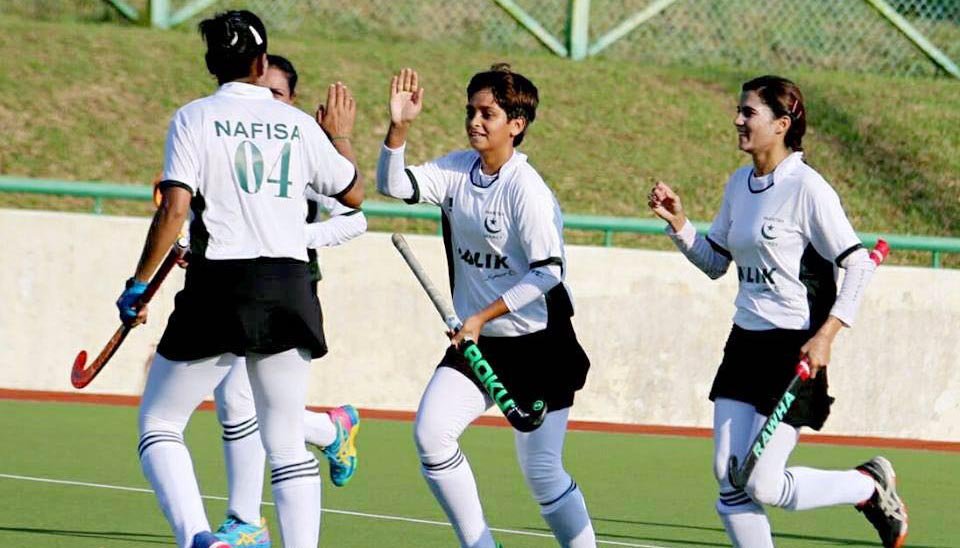
Hockey is more than just a sport in Pakistan—it is a cultural phenomenon. It represents national pride, unity, and resilience. Major victories in international tournaments often evoke nationwide celebrations, transcending regional and social boundaries. Hockey also teaches important values such as teamwork, discipline, and perseverance, which resonate with the broader Pakistani society.
In rural areas and urban centers alike, hockey is played in streets, parks, and school fields, reflecting its accessibility and grassroots appeal. The sport has inspired numerous stories, documentaries, and books, preserving the rich history and heroic feats of Pakistani hockey players.
>Revival Efforts and the Future of Hockey in Pakistan
The future of hockey in Pakistan depends on systematic efforts to revitalize the sport. Recently, the Pakistan Hockey Federation has initiated projects to improve training standards, introduce youth academies, and enhance coaching techniques. Collaborations with international hockey bodies and participation in global tournaments also provide Pakistani players with exposure and experience.
Furthermore, media coverage and digital platforms can play a vital role in popularizing hockey among the youth. Highlighting the achievements of players, broadcasting domestic leagues, and engaging fans online can help rebuild a strong hockey culture in the country.
If Pakistan invests strategically in its hockey ecosystem, focusing on infrastructure, talent nurturing, and professional management, it can reclaim its position as a global hockey powerhouse. The legacy of past champions provides a foundation of inspiration for future generations to continue the journey of excellence.
>Conclusion
Hockey is an integral part of Pakistan’s identity, reflecting the nation’s history, talent, and resilience. As the national game, it symbolizes pride, unity, and the pursuit of excellence. From its golden era of Olympic and World Cup triumphs to the challenges of modern times, Pakistan’s hockey journey is a story of passion, determination, and enduring legacy. With renewed focus and investment, Pakistan has the potential to revive its hockey glory, inspiring future generations and continuing to leave an indelible mark on the world stage.
