 by
by Legendary Sindhi Dishes:
Sindh is not just a land of ancient civilizations, mighty rivers, and Sufi poetry—it is also a cradle of deeply rooted culinary traditions. Sindhi cuisine reflects resilience, simplicity, spirituality, and a profound connection to the Indus River. Influenced by geography, trade, climate, and centuries-old customs, Sindhi food tells stories that history books often overlook.
From royal kitchens to humble village hearths, these dishes were not merely meals; they were symbols of survival, hospitality, and identity. Below is a detailed exploration of five historical Sindhi dishes that have stood the test of time and continue to define Sindh’s rich gastronomic heritage.
1. Sindhi Biryani – The Bold Crown Jewel of Sindh
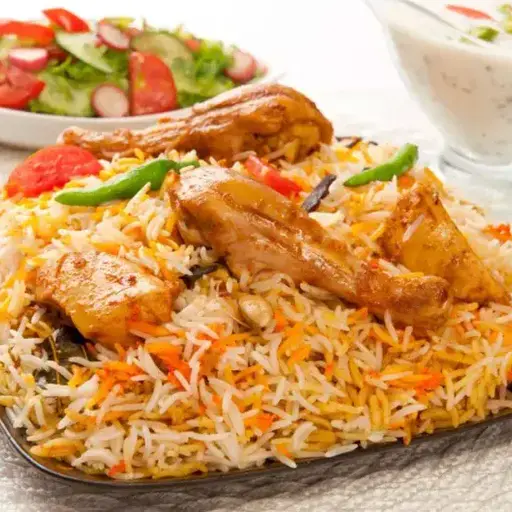
Sindhi Biryani is not just food—it is an emotion. Known for its fiery spices, aromatic rice, and signature tang, this dish is among the most iconic contributions of Sindh to South Asian cuisine.
Historical Roots
Unlike Mughlai biryani, which leans toward richness and mildness, Sindhi Biryani evolved as a spice-forward dish suited to the hot climate of Sindh. The use of green chilies, dried plums (aloobukhara), tomatoes, and yogurt helped preserve meat and enhance flavor long before refrigeration existed.
During the Talpur and Kalhora periods, this biryani was prepared in large degs (cauldrons) for travelers, soldiers, and gatherings. Over time, it became a celebratory staple, served at weddings, religious festivals, and communal feasts.
Cultural Significance
Sindhi Biryani reflects the Sindhi spirit—bold, hospitable, and unapologetically flavorful. Every household claims to have the “original” recipe, passed down through generations.
2. Sai Bhaji – The Ancient Soul Food of Sindh
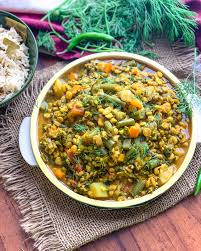
Sai Bhaji is the most iconic and emotionally significant dish in Sindhi cuisine. Its origins date back to ancient Sindh, where people relied heavily on leafy greens, lentils, and seasonal vegetables grown along the fertile banks of the Indus River.
This nourishing dish is made by slow-cooking spinach (or other greens), chana dal, vegetables like bottle gourd or brinjal, and mild spices. Unlike many regional Indian dishes, Sai Bhaji avoids excessive oil or heat, emphasizing nutrition and balance.
Historically, Sai Bhaji was a daily household staple, especially among farming communities. It represented sustainability—using whatever greens were available—and reflected the Sindhi belief that food should heal both body and spirit. It was commonly eaten with bhuga chawal (plain rice) or roti.
Sai Bhaji is also deeply associated with Sindhi Hindu traditions, often prepared during festivals, fast-breaking meals, and communal gatherings. Even after migration during the Partition of 1947, Sindhi families carried this dish across borders, making it a culinary symbol of identity and resilience.
Historical Roots
Archaeological evidence suggests that leafy greens and lentils were staples in ancient Sindh. Sai Bhaji emerged as a nutritionally balanced meal for farmers, laborers, and families who relied on plant-based diets.
It was especially popular among Hindu Sindhis, though today it is loved across religious and social boundaries.
Cultural Significance
Sai Bhaji symbolizes simplicity, sustainability, and spiritual purity. Even today, it is a comfort dish, often cooked on Fridays or during religious observances.
3. Sindhi Kadhi – The Golden Legacy of Communal Harmony
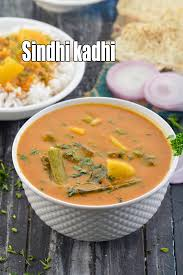
Unlike the Punjabi kadhi made with yogurt, Sindhi Kadhi is a completely different creation with ancient roots. This dish uses gram flour (besan), tamarind, vegetables, and spices, resulting in a tangy, aromatic curry that is both comforting and bold.
Sindhi Kadhi reflects the resourcefulness of desert and river communities, where dairy was sometimes scarce, and tamarind provided natural sourness and preservation. Vegetables like okra, potatoes, drumsticks, and cluster beans were added based on seasonal availability.
Traditionally, Sindhi Kadhi was prepared during family gatherings, festivals, and religious events, especially among Sindhi Hindus. It was often served with plain rice, allowing the complex flavors to shine.
This dish symbolizes Sindhi culinary intelligence—turning simple ingredients into a deeply satisfying meal. Its bright color and layered taste make it one of the most distinctive vegetarian curries in South Asia.
Historical Roots
This dish evolved as a travel-friendly and preservable meal, thanks to tamarind’s natural acidity. It was commonly cooked in large quantities and shared among neighbors, travelers, and the needy.
Sindhi Kadhi was also a staple during famines, as it could be prepared with whatever vegetables were available.
Cultural Significance
Sindhi Kadhi represents community bonding and inclusivity. It is traditionally served with rice and often accompanied by pakoras or fried vegetables, symbolizing abundance even in simplicity.
4. Koki – The Fearless Flatbread of the Desert
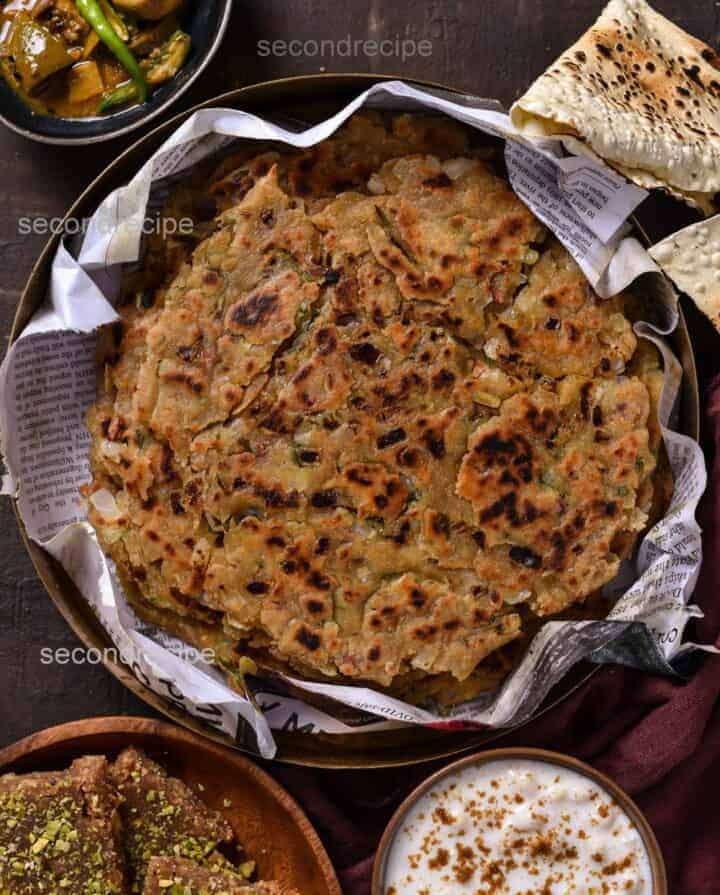
Koki is not just bread; it is a historical expression of Sindhi resilience. This thick, spiced flatbread was developed by rural communities who needed long-lasting, energy-rich food for labor-intensive days.
Made from wheat flour, onions, green chilies, coriander, and spices, Koki is cooked slowly on a griddle with oil or ghee. Unlike soft rotis, it is dense and crisp, designed to stay fresh for hours.
Historically, Koki was eaten by farmers, fishermen, and travelers, often accompanied by yogurt, butter, or leftover curries. It was especially common during winters, providing warmth and strength.
Koki reflects Sindh’s working-class food heritage, where taste, nutrition, and practicality were equally important. Today, it is a beloved breakfast item that connects modern Sindhis to their ancestral lifestyle.
Historical Roots
In the arid regions of Sindh, where food resources were limited, koki became a high-energy meal that could be eaten at any time of day. Its long shelf life made it ideal for farmers, herders, and travelers.
Koki was often cooked on clay griddles (tava) over open flames, making it one of the most rustic Sindhi foods.
Cultural Significance
Koki embodies self-reliance and resilience. Traditionally eaten with yogurt, butter, or chai.
–THE ENDURING LEGACY OF SINDHI CUISINE
Sindhi cuisine is a living archive of history. These dishes tell stories of river civilizations, desert survival, migration, faith, and community. Unlike royal cuisines, Sindhi food grew from the ground up—shaped by farmers, traders, and homemakers.
Even today, these recipes remain largely unchanged, passed down through memory rather than written records. They remind us that food does not need extravagance to be powerful—it needs meaning.
As modern kitchens rediscover traditional diets, Sindhi cuisine stands as a model of balanced nutrition, sustainability, and cultural depth.
–Suggestions:
If you want to have recieps of more such legendary sindhi dishes so do check out the link below:
https://share.google/LuoLXfICF0H8ZIGF2
Tags
#SindhiCuisine
#HistoricalSindhiFood
#SindhiCulture
#TraditionalIndianFood
#IndusValleyHeritage
#RegionalIndianCuisine
#SindhiRecipes
#FoodHistory
#AncientCuisine
#CulturalHeritage