 by
by Legendary Northern Pakistani Dishes That Will Ignite Your Taste Buds:
Northern Pakistan is a land of breathtaking landscapes, towering mountains, and emerald valleys, a region where nature reveals some of its most awe-inspiring spectacles. From the snow-capped peaks of Gilgit-Baltistan to the rolling hills of Khyber Pakhtunkhwa, this part of the country offers not just visual grandeur but also a culinary tapestry as bold, intricate, and awe-inspiring as its terrain.
The cuisine of Northern Pakistan is a reflection of the land, climate, and culture, shaped by centuries of history, trade, and adaptation to the high-altitude environment. Here, meals are hearty, designed to sustain farmers, shepherds, and mountain travelers in harsh conditions. Dishes are often rich in meats, dairy, grains, and locally grown vegetables, brought to life with indigenous herbs and aromatic spices that create unforgettable flavors. This cuisine is not merely food—it is fuel, comfort, and celebration, a window into the lives of communities that have thrived in some of the most rugged terrains of South Asia.
Over time, these meals have evolved from practical sustenance to celebrated culinary treasures, enjoyed in bustling street markets, intimate family kitchens, and even upscale restaurants. They tell stories of heritage, resilience, and creativity, offering a taste of the region’s natural abundance and cultural richness.
In this article, we delve into the top five iconic dishes of Northern Pakistan, exploring their ingredients, history, cooking methods, and cultural significance, revealing why they are not just meals but culinary legends.
Below are the Legendary Northern Pakistani Dishes:
1. Chapli Kebab – The Legendary Meat Marvel of Peshawar
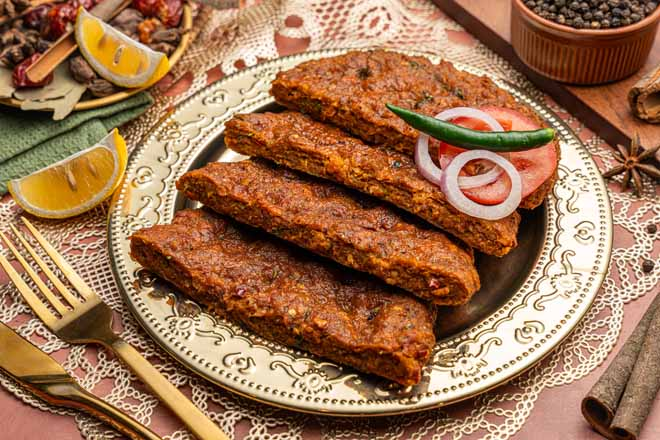
When it comes to Northern Pakistan’s culinary icons, few dishes rival the fame and flavor of Chapli Kebab. Hailing from Peshawar, the historic heart of Khyber Pakhtunkhwa, this spiced meat patty is a true embodiment of the region’s bold, robust flavors.
The Essence of Chapli Kebab
Chapli Kebab is traditionally made from freshly minced beef or mutton, combined with finely chopped onions, tomatoes, green chilies, coriander, and an intricate blend of spices. These spices typically include cumin, coriander seeds, black pepper, and garam masala, each contributing to a layered aroma and deep taste profile. What makes Chapli Kebab stand out is the occasional addition of pomegranate seeds or dried fruits, which bring a subtle tanginess, balancing the richness of the meat.
The patties are shallow-fried in ghee or oil until they achieve a golden-brown crust, crisp on the outside while remaining tender and juicy inside. Unlike ordinary kebabs, Chapli Kebabs are generously spiced, reflecting the hearty palate of the Pashtun people and their love for bold, aromatic flavors.
Cultural Significance
In Northern Pakistan, Chapli Kebabs are more than just a dish—they are a symbol of hospitality and pride. Traditionally served with naan, chutneys, and fresh salads, they are a staple at weddings, festive gatherings, and family celebrations. Travelers visiting Peshawar often consider tasting an authentic Chapli Kebab a rite of passage, an introduction to the robust and rustic culinary heritage of the region.
Chapli Kebabs are also steeped in local lore. The name “Chapli” is said to derive from the Pashto word for “flat”, describing the patty’s distinctive shape. In traditional households, making Chapli Kebabs is an art passed down through generations, with every family adding its own twist to the spice blend or cooking method.
Modern Appeal
Today, Chapli Kebab has transcended its regional roots. It appears in restaurants across Pakistan and even on international menus, celebrated for its unique texture and flavor. Yet, nothing compares to the experience of a freshly fried kebab from a Peshawar street vendor, where every bite carries the essence of history, culture, and local tradition.
2. Yakhni Pulao – Gilgit-Baltistan’s Soulful Comfort
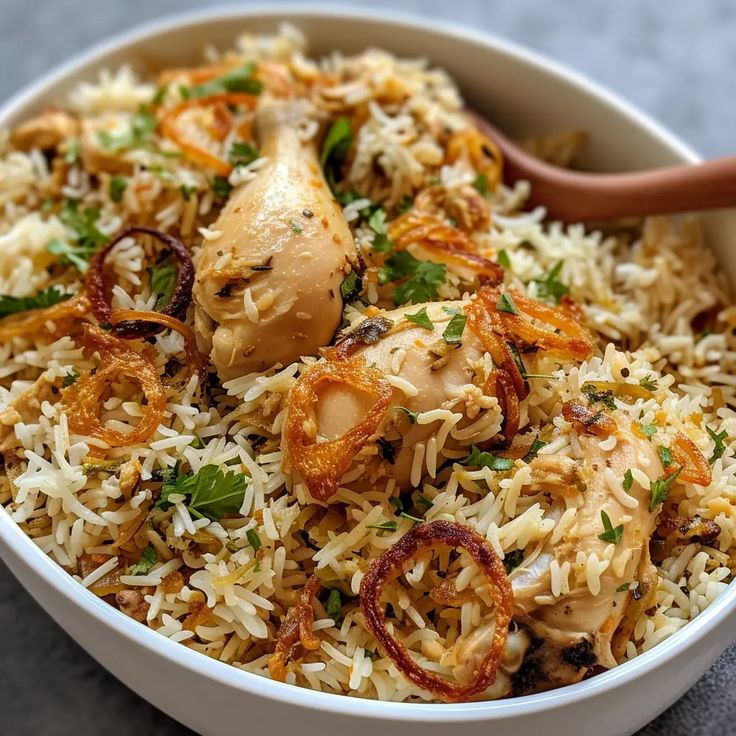
In the snow-laden valleys of Gilgit-Baltistan, where winters are long and harsh, hearty meals are essential. Among these, Yakhni Pulao stands out as a soulful, aromatic, and deeply comforting dish, celebrated for both its flavor and nutritional richness.
The Magic of Yakhni Pulao
Yakhni Pulao is essentially rice cooked in a rich meat broth (yakhni), traditionally using lamb or chicken. What sets it apart is the slow-simmered stock, infused with mild yet aromatic spices like cinnamon, cardamom, cloves, and bay leaves. As the rice absorbs this broth, it becomes fragrant, fluffy, and imbued with layers of taste that delight the senses.
The dish is often garnished with fried onions, fresh coriander, and a sprinkling of nuts, creating a beautiful balance of texture and flavor. Yakhni Pulao is traditionally served alongside rogan josh or a side of yogurt, adding richness and a creamy counterpoint to the aromatic rice.
Historical and Cultural Roots
Yakhni Pulao reflects the practical ingenuity and sophistication of Northern Pakistani cuisine. In regions where the climate is cold and food scarcity is a reality during winters, meals needed to be nutritionally dense, warming, and sustaining. Slow-cooking the meat and rice together ensured that flavors were fully absorbed, meat became tender, and the meal provided maximum energy for the day ahead.
This dish has long been central to festivals, weddings, and community gatherings in Gilgit-Baltistan. Preparing Yakhni Pulao is often a communal activity, with family members contributing to the stirring of the rice, seasoning the broth, and arranging garnishes. Each gathering is a celebration of culinary craftsmanship, heritage, and togetherness.
Modern-Day Appreciation
In contemporary times, Yakhni Pulao remains a symbol of comfort and tradition, served in local eateries and fine-dining restaurants alike. Its aromatic depth, simplicity, and wholesome ingredients make it a beloved choice for both locals and tourists exploring Northern Pakistan’s culinary treasures.
3. Sajji – The Whole Roasted Wonder of Baluch and Northern Influences
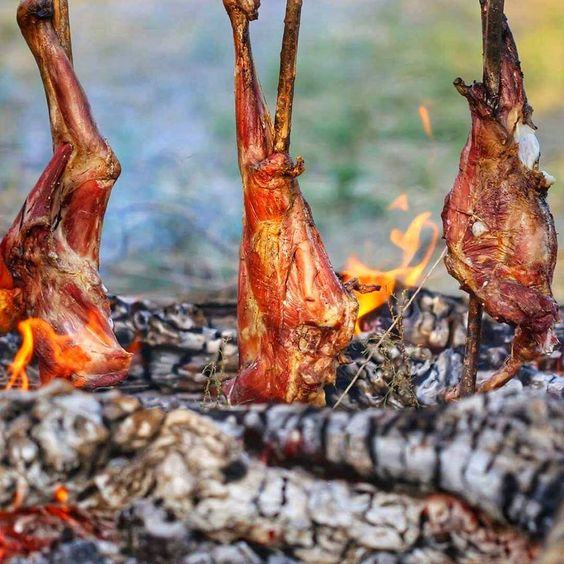
Sajji is a dish that epitomizes culinary drama and communal celebration. While its roots trace back to Baluchistan, it has been wholeheartedly embraced in Northern Pakistan, particularly in Gilgit, Chitral, and surrounding valleys, reflecting centuries of cultural exchange along trade routes, and became one 5 Legendary Northern Pakistani Dishes
What Makes Sajji Special
Sajji involves marinating a whole lamb or chicken with minimal spices—typically salt, green chilies, and occasionally a hint of local herbs. The simplicity of the marinade is deceptive; the real magic happens in the cooking process. The meat is slow-roasted over an open fire or in a clay oven, often on a spit, allowing natural flavors to shine through.
The result is a dish with crispy, golden-brown skin and tender, juicy meat inside. Sajji is traditionally served with flatbread or rice, complemented by fresh herbs or yogurt, letting the natural flavors of the meat dominate the palate. Unlike heavily spiced dishes, Sajji’s brilliance lies in its purity, texture, and smoky aroma.
Cultural Resonance
Sajji is more than sustenance; it is a symbol of abundance, community, and celebration. Roasting an entire animal for a gathering is a display of generosity and hospitality, often reserved for festivals, weddings, or special hunts. In Northern Pakistan, Sajji embodies the primal joy of eating together, bringing families and communities around the fire to savor its smoky perfection.
Modern-Day Popularity
Sajji has become a tourist attraction in its own right, drawing visitors eager to witness the roasting of whole lambs in open-air settings. Chefs and street vendors continue to innovate, occasionally adding regional twists such as saffron or local herbs, but the essence remains a celebration of simplicity and flavor.
4. Trout Fish – Northern Pakistan’s Pristine River Delicacy
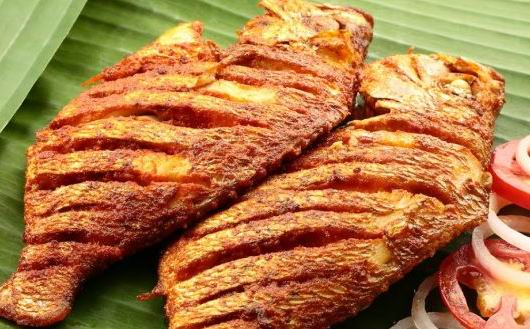
Northern Pakistan is blessed with crystal-clear rivers in regions like Swat, Chitral, and Gilgit-Baltistan, home to freshwater trout, a culinary jewel of the area. Trout represents the pristine natural bounty and is a testament to the eco-rich environment of the mountains.
Culinary Artistry of Trout
Trout is one of the Legendary Northern Pakistani Dishes Trout is often pan-fried, grilled, or roasted, with a light seasoning of salt, black pepper, and lemon to highlight its natural flavors. Some local preparations involve herb-infused butter or mild spices, allowing the subtle sweetness of the fish to shine. The flesh remains tender, moist, and delicate, pairing beautifully with local flatbreads or steamed rice.
Health and Cultural Significance
Trout is highly nutritious, rich in protein and omega-3 fatty acids, providing sustenance to communities that rely on physically demanding lifestyles in mountainous terrains. Fishing for trout is often a family or community activity, with traditional methods passed down through generations. This makes trout not only a delicious meal but also a cultural heritage, preserving the culinary and ecological traditions of Northern Pakistan.
5. Giyaling – Hunza Valley’s Ancient Nutty Delight
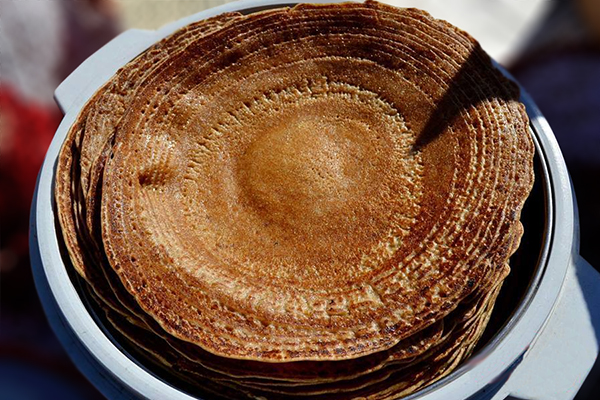
Finally, we explore Giyaling, a lesser-known but culturally rich dish from the Hunza Valley in Gilgit-Baltistan. This dish reflects the ingenuity, resourcefulness, and dietary wisdom of high-altitude communities.
What is Giyaling?
Giyaling is a nut-based dish, made from walnuts, almonds, apricots, and other local produce, often cooked with milk or yogurt. The result is a creamy, slightly sweet, and earthy preparation. It can be served as a dessert or an energy-packed snack, perfect for long treks or cold mountain mornings, that is why it is among the Legendary Northern Pakistani Dishes.
Cultural Significance
In Hunza, Giyaling represents hospitality, tradition, and celebration. Guests are offered this dish with tea, and it is commonly prepared during harvest festivals, weddings, and other special occasions. Its preparation highlights the importance of community, sustainability, and resourcefulness, turning local nuts and fruits into a nourishing delicacy.
Modern Appreciation
Today, Giyaling continues to be enjoyed in both traditional and contemporary settings, representing the culinary heritage of Hunza Valley and serving as a delightful introduction to Northern Pakistan’s inventive and wholesome cuisine.
Summary of Legendary Northern Pakistani Dishes:
| Dish | Region | Description | Key Ingredients / Features | Cultural Significance |
|---|---|---|---|---|
| Chapli Kebab | Peshawar, Khyber Pakhtunkhwa | A flavorful, spiced minced meat patty, crisp on the outside and tender inside, reflecting bold Pashtun flavors. | Ground beef or mutton, onions, tomatoes, coriander, green chilies, cumin, garam masala, pomegranate seeds (optional) | Served at weddings, festivals, and family gatherings; a symbol of hospitality and Pashtun culinary heritage. |
| Yakhni Pulao | Gilgit-Baltistan | Aromatic rice cooked in a slow-simmered meat broth (yakhni), infused with mild spices; hearty and warming. | Lamb or chicken, rice, cinnamon, cardamom, cloves, bay leaves, fried onions, nuts, fresh coriander | Central to festive occasions, weddings, and communal meals; designed for sustenance in cold climates. |
| Sajji | Gilgit, Chitral (Northern Pakistan) | Whole roasted lamb or chicken, marinated lightly and roasted over open fire or clay ovens; simple yet succulent. | Whole lamb or chicken, salt, green chilies, herbs; served with rice or flatbread | Symbol of abundance and community; traditionally prepared during celebrations, hunts, and festivals. |
| Trout Fish | Swat, Chitral, Gilgit-Baltistan | Freshwater trout, pan-fried, grilled, or roasted; prized for delicate flavor and nutritional value. | Fresh trout, salt, black pepper, lemon, local herbs (optional) | Represents the pristine rivers and eco-rich environment of Northern Pakistan; a staple during family meals and seasonal festivals. |
| Giyaling | Hunza Valley, Gilgit-Baltistan | A nut-based dish combining walnuts, almonds, and apricots, cooked with milk or yogurt; creamy, slightly sweet, and earthy. | Walnuts, almonds, apricots, milk or yogurt | Served as a dessert or snack; symbolizes hospitality, resourcefulness, and celebration during festivals and weddings. |
Northern Pakistan: A Culinary Wonderland
The top five legendary Northern Pakistani dishes—Chapli Kebab, Yakhni Pulao, Sajji, Trout, and Giyaling—capture the essence of a region where nature, culture, and history converge on the plate. These meals are more than sustenance; they are stories of resilience, creativity, and tradition.
Northern Pakistani cuisine is defined by bold flavors, hearty portions, and locally sourced ingredients, often prepared with slow-cooking techniques that maximize taste and nutrition. From bustling Peshawar streets to serene Hunza kitchens, the food of Northern Pakistan is a testament to the ingenuity and heritage of its people.
Whether you are savoring a crispy Chapli Kebab, aromatic Yakhni Pulao, succulent Sajji, fresh river trout, or nutty Giyaling, you are tasting history, landscape, and tradition in every bite. These iconic dishes prove that Northern Pakistan is not just a feast for the eyes, but a paradise for the palate, offering flavors as bold and unforgettable as its mountains.
Tags:
#NorthernPakistanCuisine
#PakistaniFood
#ChapliKebab
#YakhniPulao
#Sajji
#HunzaFood
#GilgitBaltistanCuisine
#PakistaniHeritageFood
#MountainCuisine
#TraditionalPakistaniDishes
#FoodTravelPakistan
#PakistaniStreetFood
If you want to see more such legendary Northern Pakistani dishes and want to grab their recipes aswell then do check out the link below:
https://share.google/RLBNjCco4b0DgG2eq