 by
by ROYAL FLAVORS OF THE MUGHLAI CUISINE- 5 LEGENDARY MUGHALI DISHES:
The Mughal Empire is remembered not only for its breathtaking monuments and imperial authority, but also for ushering in a golden age of culinary luxury that forever transformed South Asian cuisine. Mughlai food emerged as a magnificent fusion of Central Asian, Persian, Turkish, and Indian influences, carefully refined within royal kitchens where cooking was elevated to an art form. In these imperial spaces, flavor, aroma, and presentation were powerful expressions of status and sophistication, reflecting the grandeur of the empire itself.
Mughal chefs worked with the finest ingredients available—rare spices, fragrant saffron, rich ghee, dry fruits, nuts, and cream—crafting dishes that were indulgent yet balanced. Slow-cooking techniques such as dum allowed flavors to deepen and mature, creating meals that were as rich in taste as they were in texture. Every dish was thoughtfully designed to satisfy refined palates, impress honored guests, and demonstrate imperial wealth and refinement.
From the legendary feasts of emperors like Akbar, Jahangir, and Shah Jahan to recipes still preserved in royal households and heritage restaurants, Mughlai cuisine has left an enduring mark on South Asian food culture. Its influence can be tasted in countless regional dishes that continue to carry echoes of royal kitchens. Even centuries later, Mughlai food remains a symbol of elegance, indulgence, and timeless sophistication—an edible legacy of an empire that ruled not only through power, but through flavor.
Below are the 5 LEGENDARY MUGHLAI CUISINE THAT DEFINED INDIA’S GRAND CULINARY HERITAGE:
1. BIRYANI – THE CROWN JEWEL OF MUGHAL CUISINE
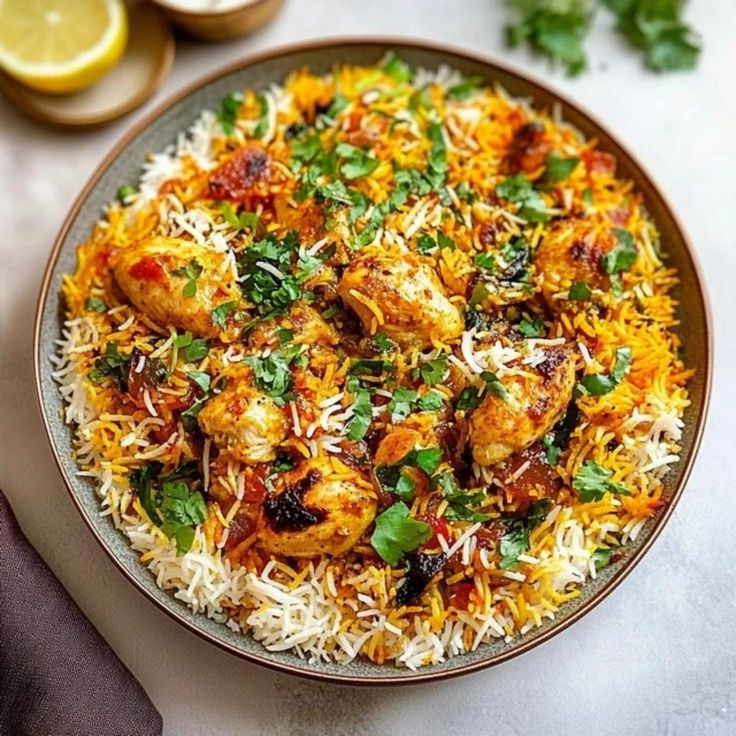
No dish in the grand repertoire of Mughlai cuisine enjoys the legendary status and emotional reverence of biryani, a culinary treasure that embodies the splendor, refinement, and indulgence of the Mughal Empire. More than just a rice-and-meat preparation, biryani emerged as an expression of imperial taste and cultural fusion. Its origins trace back to the Persian cooks and Central Asian chefs who traveled with the Mughal emperors, bringing with them sophisticated techniques, fragrant spices, and a philosophy that treated cooking as an art worthy of royalty. Over time, these influences blended seamlessly with Indian ingredients, transforming biryani into a dish fit for emperors.
In the royal kitchens of the Mughals, biryani was prepared with extraordinary care and ceremony. It was traditionally cooked in massive degs, or heavy-bottomed vessels, using the revered dum technique. This slow-cooking process involved sealing the pot with dough and allowing the dish to cook gently over a low flame, ensuring that the steam trapped inside infused every grain of rice and every piece of meat with deep, harmonious flavors. Biryani was never rushed; patience was considered an essential ingredient, reflecting the Mughal belief that excellence required time and precision.
Biryani held a significance far beyond nourishment. It was a symbol of prosperity, power, and celebration, often occupying the center of royal banquets. Mughal emperors were known to commission different styles of biryani for different occasions—lighter, aromatic versions for religious gatherings, richer and more indulgent ones for victory feasts, and hearty preparations for hunting expeditions. Each variation was carefully crafted to suit the mood and purpose of the event, showcasing the versatility and grandeur of the dish.
What truly distinguished Mughal biryani was its emphasis on balance rather than fiery heat. The royal palate favored elegance and fragrance, achieved through the use of luxurious ingredients such as saffron, rose water, kewra, nutmeg, mace, and green cardamom. The meat, most often lamb or chicken, was marinated with yogurt and spices, then cooked slowly until it became exquisitely tender, almost melting into the rice. Every element was designed to complement the other, creating a layered yet harmonious experience.
Centuries later, biryani continues to reign supreme across the Indian subcontinent. Celebrated regional styles such as Lucknowi, Hyderabadi, and Delhi biryani all trace their lineage to Mughal culinary innovation. Despite countless modern adaptations, the soul of biryani remains unchanged—a timeless reminder of imperial kitchens, jeweled crowns, and a bygone era where food was a statement of power, artistry, and cultural legacy.
2. NIHARI – THE EMPEROR’S MORNING FEAST
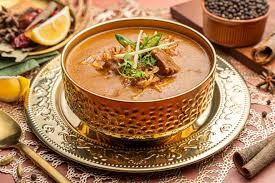
Nihari is far more than a meat stew—it is a ceremonial dish shaped by royal discipline, patience, and tradition, deeply rooted in the culinary culture of the Mughal Empire. Its origins lie in the imperial kitchens of old Delhi, where food was crafted not merely to satisfy hunger, but to serve a purpose. Nihari was traditionally cooked through the night and eaten at dawn, most often after Fajr prayers, making it a favored meal among Mughal nobles, courtiers, and warriors. The timing of its consumption reflected both spiritual routine and physical necessity, as the dish was designed to prepare the body for a demanding day ahead.
The name Nihari is derived from the Arabic word nahar, meaning “day” or “morning,” emphasizing its intimate connection with early hours. As night fell, large pots were placed on low fires, allowing the dish to simmer slowly for hours while the city slept. By morning, the stew would reach its peak richness, with flavors fully developed and meat tender enough to fall apart effortlessly. This overnight cooking process was not just a method—it was a ritual that symbolized patience, endurance, and culinary wisdom.
At the heart of nihari is shank meat, traditionally beef or lamb, prized for its bones and marrow. As the stew cooks slowly, the marrow dissolves into the gravy, lending it a deep, velvety texture and unmatched richness. Mughal chefs carefully balanced robust spices such as cloves, cinnamon, fennel seeds, ginger, and garam masala, ensuring warmth and depth without overpowering the dish. Unlike quicker curries, nihari relied on the natural collagen released from bones to thicken the gravy, creating a luxurious consistency without the need for artificial thickeners.
Nihari was particularly valued during winter, when its warming spices and high nutritional content provided strength and sustenance. For warriors and noblemen alike, it was believed to build stamina, restore energy, and sharpen the senses. This made it not only a breakfast dish, but a strategic one—fuel for both body and mind. Its richness was complemented by traditional breads such as khameeri roti or sheermal, which were perfect for soaking up the flavorful gravy and completing a meal worthy of emperors.
What truly sets nihari apart is its patience-driven preparation, a defining trait of Mughal cuisine. Nothing about the dish is rushed; every step honors time as an essential ingredient. This philosophy of slow cooking transformed simple components into something majestic and enduring.
Even centuries later, nihari continues to thrive as a culinary heirloom, especially in the narrow lanes of Old Delhi and the refined kitchens of Lucknow. Served at dawn just as it was during Mughal rule, nihari remains a living reminder of royal mornings, sacred routines, and the timeless elegance of imperial gastronomy.
3. KORMA – THE SILKEN CURRY OF ROYAL KITCHENS
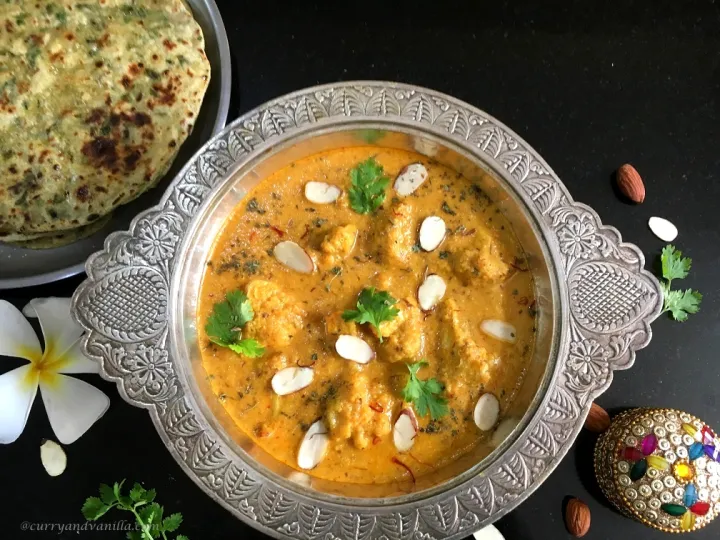
Korma stands as one of the most refined and graceful expressions of Mughlai cuisine, embodying an elegance that speaks through subtlety rather than excess. Unlike fiery or heavily spiced curries, Mughal korma was crafted to be silky, aromatic, and delicately flavored, allowing the natural richness of its ingredients to take center stage. It was a dish designed not to overwhelm the palate, but to gently impress it—an approach that mirrored the refined tastes of Mughal royalty.
The origins of korma are deeply influenced by Persian culinary traditions, which the Mughals embraced and adapted with remarkable sophistication. Yogurt, fresh cream, ground almonds or cashews, and pure ghee formed the foundation of its luxurious sauce. These ingredients were blended carefully to create a smooth, velvety gravy that coated the meat without masking its flavor. The cooking technique was equally important: instead of frying the meat aggressively, Mughal chefs gently braised lamb, chicken, or even game meat, allowing it to cook slowly and absorb the richness of the sauce. The result was meat so tender it could be cut with the edge of a spoon.
In the grand Mughal courts, korma was regarded as a dish of refinement and restraint, often reserved for private royal dinners or gatherings of nobility. It was not meant for noisy banquets or public celebrations; rather, it belonged to quiet, candlelit meals where sophistication was measured by balance and finesse. Preparing a perfect korma required exceptional culinary skill, as even a slight excess of spice could disrupt its delicate harmony. Mastery lay in knowing how little was enough.
The spice palette of Mughal korma reflected this philosophy. Fragrant spices such as green cardamom, mace, white pepper, and saffron were used sparingly, contributing aroma and warmth without overpowering the dish. Each spice played a precise role, enhancing the sauce while maintaining an overall sense of calm and cohesion. To elevate its visual appeal and reinforce its royal identity, korma was often garnished with edible silver leaf, or varq, a signature element of imperial Mughlai cuisine.
Over time, korma has evolved in regional kitchens, becoming richer, spicier, and sometimes heavier than its original form. Modern versions may feature bold chilies or thick gravies, catering to contemporary tastes. Yet, the classic Mughal korma remains unmatched—a benchmark of culinary sophistication where luxury is expressed through elegance, texture, and restraint. It continues to symbolize an era when food was an art form, crafted with patience, precision, and a deep understanding of balance.
4. SHEERMAL – THE ROYAL BREAD OF EMPERORS
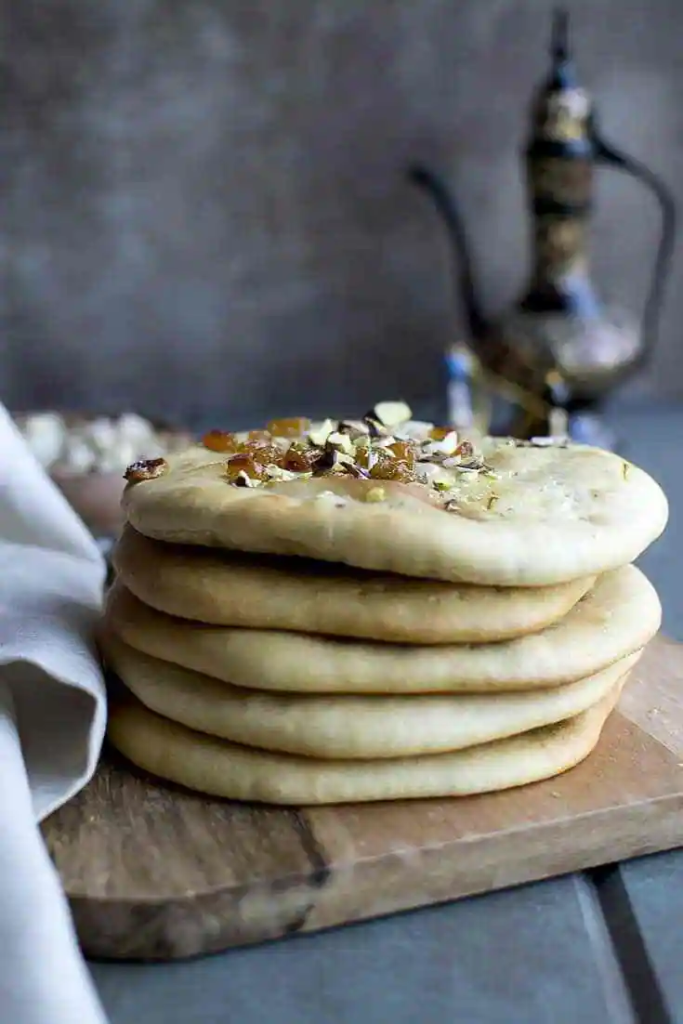
Among the many exquisite breads that emerged from Mughlai cuisine, Sheermal occupies a place of rare distinction, symbolizing refinement, indulgence, and royal taste. This softly sweet, saffron-kissed flatbread was introduced by Persian bakers who accompanied the Mughal emperors, bringing with them advanced baking techniques and a love for luxurious ingredients. Over time, sheermal became a cherished staple of imperial dining, earning its reputation as a bread worthy of kings.
Sheermal is crafted from refined flour enriched with milk, ghee, sugar, and fragrant saffron, a combination that immediately sets it apart from everyday breads. Traditionally baked in a blazing-hot tandoor, it emerges golden, soft, and slightly crisp at the edges, with a rich aroma that hints at its royal origins. Unlike common rotis or naans meant for daily consumption, sheermal was considered a luxury bread, carefully prepared for special meals and significant occasions. It was most often paired with richly spiced Mughlai dishes such as nihari, korma, or qorma-style stews, where its gentle sweetness beautifully balanced the depth and warmth of the gravies.
Beyond its taste, sheermal served as a powerful symbol of wealth and status. Ingredients like saffron and generous amounts of ghee were costly and rare, making this bread inaccessible to ordinary households. Its presence on the dining spread signaled prosperity, celebration, and privilege. In Mughal banquets, serving sheermal was a declaration of abundance, reflecting the empire’s vast resources and refined palate.
The Mughal emperors held bread in exceptionally high regard, believing it to be as essential to a meal as the curries themselves. Royal bakers, therefore, occupied a position of great honor within court kitchens. Their skill lay not only in technique but in precision—ensuring the bread remained soft, fragrant, and perfectly balanced in flavor. Sheermal’s delicate sweetness, airy texture, and rich aroma were designed to complement rather than overpower, making it an ideal companion to savory, slow-cooked dishes.
Centuries later, sheermal continues to endure as a culinary relic of Mughal opulence. Though no longer exclusive to royal courts, it is still prepared in traditional bakeries, old-city eateries, and festive gatherings, where it evokes memories of imperial feasts and timeless elegance. Each bite of sheermal carries with it the legacy of a bygone era—when even bread was crafted with luxury, care, and royal intent.
5. SHAHI TUKDA – THE DESSERT OF IMPERIAL INDULGENCE
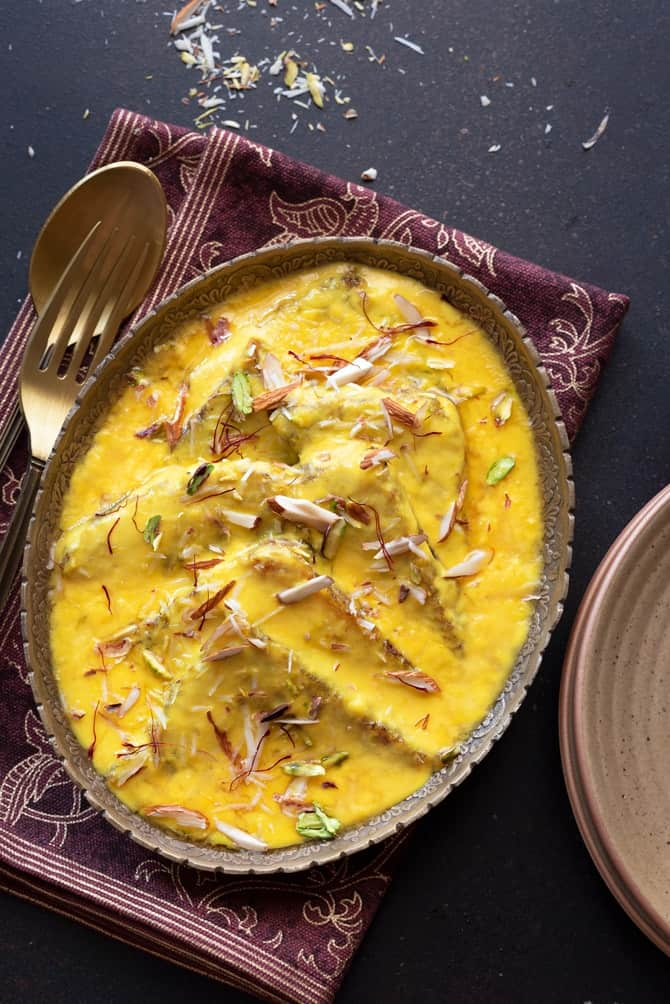
No Mughal banquet ever reached its grand finale without a lavish dessert, and Shahi Tukda reigned supreme among the sweets of the imperial table. True to its name—literally translating to “royal piece”—this decadent delicacy was created to satisfy the refined and indulgent sweet cravings of emperors and nobles. Shahi Tukda was not merely a dessert; it was a statement of luxury, celebration, and culinary artistry, served at the most prestigious feasts of the Mughal court.
At its core, Shahi Tukda is a masterful transformation of simple ingredients into a dish of extraordinary richness. Thick slices of bread are gently deep-fried in ghee until golden and crisp, then soaked in fragrant sugar syrup infused with rose water or cardamom. These syrup-laden pieces are lavishly topped with rabri, a slow-reduced milk thickened to a creamy, velvety consistency and infused with saffron. The final flourish comes in the form of chopped nuts—almonds, pistachios, and cashews—along with delicate sheets of edible silver (varq), reinforcing its royal identity.
Shahi Tukda perfectly reflects the Mughal passion for rich dairy, sweetness, and visual grandeur. Milk, cream, ghee, and sugar were prized ingredients in imperial kitchens, and desserts were expected to be as opulent as the jeweled courts they were served in. Influenced by Middle Eastern bread puddings brought by Persian and Central Asian cooks, the dish was skillfully adapted to Indian tastes using local milk, aromatic spices like cardamom, and saffron sourced from the finest regions. This cultural fusion resulted in a dessert that felt both exotic and deeply rooted in the subcontinent.
Traditionally prepared during festivals, royal celebrations, weddings, and victory feasts, Shahi Tukda symbolized joy, abundance, and indulgence. Its richness was entirely intentional—Mughal desserts were never meant to be light or restrained. Instead, they were designed to impress, to linger on the palate, and to leave a lasting memory of imperial generosity. The slow preparation of rabri itself mirrored the Mughal philosophy of patience in cooking, where time was considered as important as flavor.
Even centuries after the decline of the Mughal Empire, Shahi Tukda continues to evoke the decadent spirit of royal banquets. Served in traditional eateries, heritage restaurants, and festive homes, it remains a beloved reminder of an era when desserts were crafted with extravagance, elegance, and unapologetic indulgence—true to the royal legacy they represent.
SUMMARY OF LEGENDARY MUGHALI DISHES:
| Mughlai Dish | Brief Explanation |
|---|---|
| Biryani | A royal rice dish made with long-grain basmati rice, slow-cooked meat, saffron, and aromatic spices, introduced by Persian cooks in Mughal courts. |
| Nihari | A slow-cooked meat stew traditionally eaten at dawn, prepared overnight with bone marrow and warming spices for strength and nourishment. |
| Korma | A rich, mild curry made with yogurt, cream, nuts, and delicate spices, reflecting the refined taste of Mughal royalty. |
| Sheermal | A saffron-flavored, slightly sweet flatbread baked in a tandoor, served with rich gravies in royal feasts. |
| Shahi Tukda | A luxurious dessert of fried bread soaked in sugar syrup and topped with thick rabri, nuts, and silver leaf, symbolizing imperial indulgence. |
THE EVERLASTING LEGACY OF MUGHAL CUISINE
Mughlai dishes are more than recipes—they are living history. Each dish carries stories of emperors, court rituals, cultural exchange, and culinary innovation. The Mughal emphasis on slow cooking, balance, and premium ingredients transformed Indian cuisine forever.
From royal kitchens to street food stalls, these dishes have survived wars, empires, and generations, adapting while retaining their soul. Mughlai cuisine remains a testament to how food can be both art and power, uniting cultures through flavor.
Tags
#MughlaiCuisine
#MughalFoodHistory
#RoyalIndianFood
#HistoricalDishes
#IndianCulinaryHeritage
#MughalEmpire
#TraditionalIndianFood
#RoyalRecipes
#FoodHistory
#ClassicMughlai
If you want, to have recipes of more such legendary mughali dishes then do follow:
https://share.google/3mfy6xGleq3GlES2g
If you want to know about more such legendary dishes of some more old land then do check out the link below: