 by
by Dresses in Asian Culture have Vast Variety:
The continent of Asia consists of a large diversity of cultures, traditions and customs. Different languages, religions, ancient history and old customs have shaped the lives of people living in different parts of the continent today. People living in different countries of Asia have different tastes and traditions regarding what they eat, how they live in general and what they wear. For this reason, a large variety can be found regarding the dresses of Asia.
The following composition discusses different Asian culture dresses which are popular in the continent:
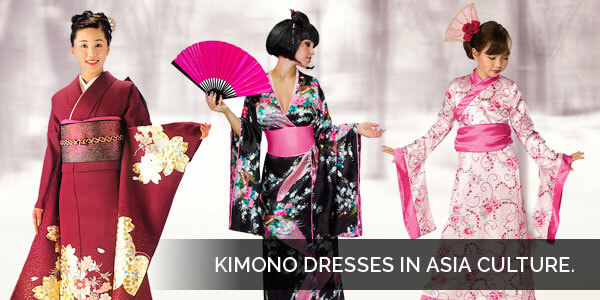
Kimono:
The kimono is the traditional attire of Japanese women and is admired for its timeless beauty and cultural significance. This garment is characterized by its long, T-shaped design that flows down to the ankles, creating a refined and dignified appearance. One of the most distinctive features of the kimono is its long, wide sleeves, which hang loosely and add to the elegance and grace of the overall outfit. The clean lines and structured form of the kimono reflect the simplicity and balance that are central to Japanese aesthetics.
Traditionally, kimonos are made from fine fabrics and are often decorated with meaningful patterns, colors, and symbols that can represent seasons, nature, or social status. The way a kimono is worn, including the careful wrapping and the tying of the obi belt, also reflects discipline and tradition. Every detail of the garment contributes to its sophisticated and harmonious look.
In modern times, many Japanese women prefer Western-style clothing for daily wear due to convenience and changing lifestyles. However, the kimono has not lost its cultural importance. It continues to be worn on special occasions such as weddings, tea ceremonies, coming-of-age celebrations, and traditional festivals. Through these events, the kimono remains a powerful symbol of Japanese heritage, preserving centuries-old traditions while showcasing elegance, grace, and cultural pride.
Shalwar Kameez:
Shalwar Kameez is the national dress of Pakistan. It consists of a long shirt and a loose trouser. It is worn by both men and women. For women, a scarf also accompanies the dress to cover the head. This dress lets women observe modesty. Different variations of the dress have been developed over the years by women in their efforts to look trendy. The basic Shalwar Kameez consists of a simple shirt with medium length which falls to the knees. However, women can vary the length according to their preference. On special occasions, embroidered Shalwar Kameez can be worn to get a fancy look. In addition, the garment can be stitched in different materials depending upon the season of the year as well as the occasion. Linen, cotton, lawn, silk, chiffon and velvet are some of the most popular materials for Shalwar Kameez in Pakistan.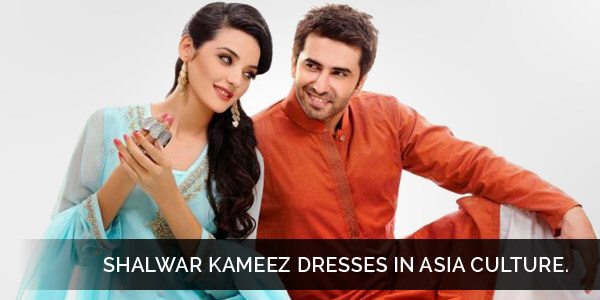
Sari:
The kebaya is widely regarded as one of the most graceful and visually captivating traditional garments in Asian culture. Renowned for its elegant design and flattering silhouette, the kebaya stands out due to its vibrant colors, fine textures, and exquisite detailing. It is most commonly made from luxurious fabrics such as silk, but other lightweight and semi-transparent materials like delicate cotton or sheer nylon are also used. These fabrics allow the garment to drape beautifully, creating a soft and flowing appearance that enhances its overall elegance.
A defining characteristic of the kebaya is its decorative craftsmanship. The garment is frequently adorned with intricate embroidery or brocade, reflecting a high level of artistry and skill. Designs often include floral patterns, refined motifs, and elaborate details that enrich its visual appeal. Each decorative element is carefully crafted to preserve traditional aesthetics and cultural symbolism, ensuring that every kebaya is not just clothing, but a meaningful expression of heritage and identity.
With its origins in Indonesia, the kebaya occupies an important position in the nation’s cultural traditions. It has long been worn by women during formal occasions and significant celebrations, representing refinement, respectability, and social standing. Historically, the kebaya was closely associated with women from noble or upper-class backgrounds, further strengthening its image as a garment of elegance and prestige. Even today, it remains a popular choice for weddings, cultural ceremonies, and other important events.
The kebaya also holds national significance and is prominently featured during official functions. On Indonesia’s national celebrations, it is worn by influential figures such as the First Lady and the spouses of Indonesian diplomats at formal gatherings. This tradition emphasizes the kebaya’s role as a symbol of national pride.
In the modern era, the kebaya continues to thrive, blending tradition with contemporary fashion. Despite modern adaptations, its classic form remains a timeless representation of beauty, cultural pride, and artistic excellence.
x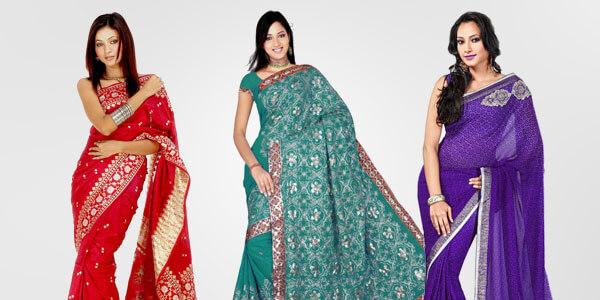
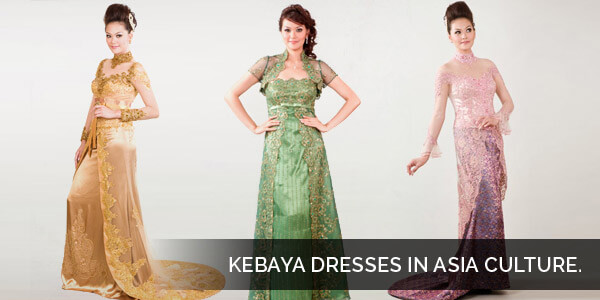
Kebaya:
The kebaya is considered one of the most elegant and visually striking traditional dresses in Asian culture. Known for its refined appearance and graceful silhouette, it is especially admired for its rich colors, delicate fabrics, and intricate detailing. The kebaya is typically crafted from luxurious materials such as silk, though it may also be made from other lightweight and sheer fabrics, including fine cotton or translucent nylon. These materials give the garment a soft, flowing quality that enhances its sophistication and charm.
One of the most distinctive features of the kebaya is its decorative artistry. The garment is often embellished with detailed embroidery or brocade, showcasing exceptional craftsmanship. Floral patterns, delicate motifs, and ornate designs are commonly used, adding depth and beauty to the overall look. These decorative elements are carefully created to reflect cultural heritage and traditional aesthetics, making each kebaya a unique work of art.
Originating in Indonesia, the kebaya holds a special place in the country’s cultural identity. It is traditionally worn by women on formal and meaningful occasions, symbolizing elegance, dignity, and social status. Historically, the kebaya was associated with high society women, particularly those belonging to elite or noble families. Over time, it has remained a symbol of grace and refinement, especially during important celebrations and ceremonies.
The kebaya also plays a significant role in national and official events. On Indonesia’s national days, it is worn with pride by prominent figures such as the First Lady of Indonesia, as well as by the wives of Indonesian diplomats during formal state functions. This continued use at high-profile events highlights the kebaya’s importance as a national dress and a representation of Indonesian heritage.
Today, the kebaya continues to be cherished both within Indonesia and beyond. While modern adaptations have introduced contemporary styles, the traditional kebaya remains a timeless symbol of beauty, cultural pride, and artistic excellence.
Sarong:
The sarong is one of the most widely worn and culturally significant garments for men across many parts of Asia. Simple in design yet rich in tradition, it consists of a long piece of fabric that is wrapped around the waist and secured in various ways. Its loose structure allows for comfort and ease of movement, making it an ideal form of clothing in regions where high temperatures and humid weather are part of daily life. In such climates, wearing tight or heavy garments like trousers can be uncomfortable, which is why the sarong has remained a practical and popular choice for centuries.
In several regions, the sarong is known by different names, with “lungi” being one of the most common alternatives. Despite variations in terminology, the basic concept remains the same: a lightweight garment designed to keep the body cool while providing modest coverage. This versatility has helped the sarong become deeply embedded in everyday life, especially in rural areas, though it is also worn in cities for casual and domestic purposes.
The sarong is commonly worn in countries such as India, Indonesia, Pakistan, Malaysia, Bangladesh, Thailand, Sri Lanka, and Nepal, as well as in many other Asian nations. Each region adds its own cultural touch through patterns, colors, and methods of wearing the garment. For example, in some places, sarongs feature simple checks or stripes, while in others they display intricate designs or vibrant colors that reflect local traditions and aesthetics. These regional differences highlight how a single garment can adapt to diverse cultural identities.
Beyond comfort and climate suitability, the sarong also holds social and cultural importance. In many communities, it is worn during daily activities such as working at home, visiting neighbors, or attending informal gatherings. In some cultures, special versions of the sarong are reserved for religious occasions, ceremonies, or festive events, often made from finer fabrics and decorated with more elaborate designs. This demonstrates how the sarong functions not only as everyday attire but also as a symbol of cultural expression.
Another reason for the sarong’s widespread popularity is its affordability and ease of production. It requires minimal tailoring, making it accessible to people from all economic backgrounds. The garment is also easy to wash, dry, and maintain, which further adds to its practicality in regions where resources may be limited. Its durability and adaptability ensure that it remains a staple item in many households.
In modern times, while Western-style clothing has gained popularity in many Asian countries, the sarong continues to hold its place. It is often worn at home or during traditional events, preserving a strong connection to cultural heritage. The sarong stands as a timeless garment that combines comfort, simplicity, and tradition, reflecting the lifestyle and environmental needs of the people who wear it across Asia.
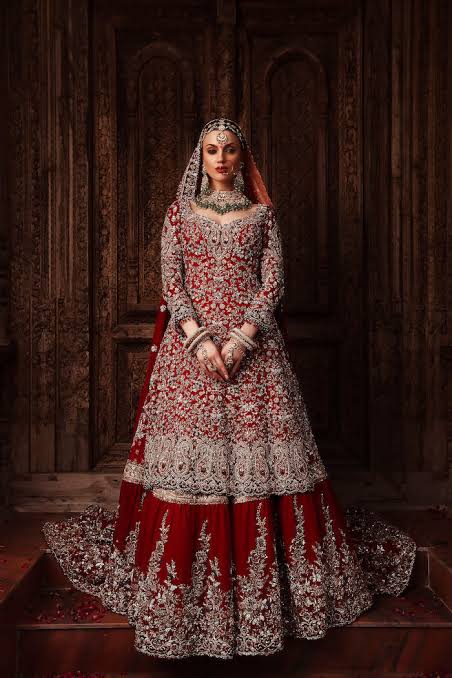
Asian Bridal Dress:
In different parts of Asia, it is a tradition to adorn the bride from the head to toe. A traditional bridal dress is heavily embroidered, colorful and extremely fancy. Indian and Bangladeshi brides may wear a fancy Sari while Pakistani brides wear heavily adorned Shalwar Kameez. Another bridal dress, known as Lehnga is also common in these areas. According to custom, the color of a traditional bridal dress is bright red.
Traditional clothing across the continent displays an extraordinary range of styles, colors, and designs. This wide variation is a direct reflection of the many cultures, histories, and traditions that exist within different regions. Each community expresses its identity through unique fabrics, patterns, and methods of dress, making the continent’s attire rich and meaningful. The sheer diversity of these garments has captured the interest and admiration of the Western world, which often views them as both artistic and symbolic. From ceremonial outfits to everyday wear, these traditional dresses highlight cultural heritage while showcasing creativity, craftsmanship, and a deep connection to history that continues to inspire global fashion.