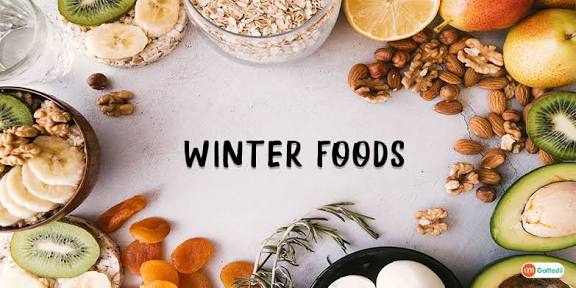
 by
by Foods That Support a Strong Immune System
During the winter months, maintaining a resilient immune system becomes especially important. Cold weather, reduced sunlight, and an increase in seasonal illnesses all place extra demands on the body. According to Serena Poon, a certified nutritionist and longevity wellness advisor, winter is the ideal time to prioritize immune health through diet. She emphasizes that what we eat plays a major role in protecting immune function and helping the body defend itself against illness.
Poon explains that diets rich in antioxidants—particularly those that include plenty of fruits, vegetables, and nuts—can help shield the body from oxidative stress. Oxidative stress occurs when harmful free radicals overwhelm the body’s defenses, potentially weakening immune responses. Antioxidant-rich foods neutralize these free radicals and help maintain immune balance.
She also highlights the benefits of foods high in polyphenols, naturally occurring plant compounds known for their anti-inflammatory and immune-supportive effects. Examples include extra virgin olive oil, green tea, and small amounts of dark chocolate. In addition, Poon stresses that gut health is inseparable from immune health. Since a large portion of the immune system is located in the gut, nourishing it with the right foods is essential.
David Cutler, MD, a family medicine physician at Providence Saint John’s Health Center in Santa Monica, echoes the importance of overall dietary balance. Rather than focusing on one “superfood,” he advises adopting a varied and well-rounded eating pattern. There is no single food that guarantees protection from respiratory infections, but consistently following sound nutritional principles can significantly support immune resilience.
Experts agree that several key food groups are especially valuable during the winter months. These foods provide essential vitamins, minerals, fiber, and beneficial compounds that help the immune system function effectively.
Vegetables
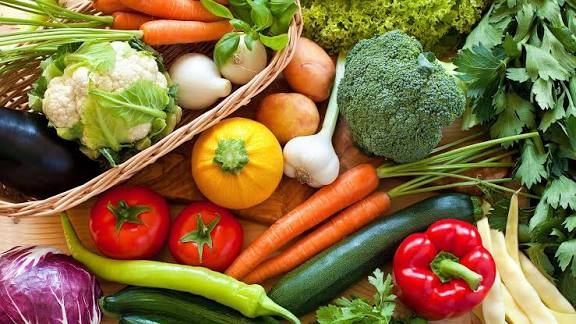
Vegetables are a cornerstone of a winter-friendly immune-supportive diet. Root vegetables and hardy winter crops are particularly valuable, as they are rich in vitamins A, C, and K—nutrients essential for immune cell production and function. Carrots, Brussels sprouts, Swiss chard, radishes, and rutabagas are excellent examples.
Brussels sprouts are notable for their high fiber content, which supports digestive and immune health, while rutabagas provide generous amounts of potassium, a mineral important for cellular function. Poon also recommends cabbage and sweet potatoes, noting that both can help lower stress levels in the body and contribute to immune strength.
Another practical and nourishing option is vegetable-based soup. A low-sodium broth filled with a variety of vegetables not only delivers key nutrients but also provides warmth and hydration, both of which are helpful during colder months.
Leafy Greens
Leafy green vegetables are nutritional powerhouses and deserve a regular place in winter meals. Kale stands out as one of the most nutrient-dense greens available, offering vitamins A, C, and K, along with B vitamins, fiber, and a wide array of antioxidants.
Red cabbage is another excellent choice, supplying multiple vitamins as well as minerals like manganese and potassium. Poon points out that cabbage contains antioxidants, fiber, and glucosinolates—plant compounds known for their anti-inflammatory properties.
Parsley, often overlooked as merely a garnish, provides vitamins along with iron and calcium. Spinach is also highly beneficial, delivering vitamin C and antioxidants that help protect immune cells from damage.
For a balanced meal, nutrition experts suggest pairing leafy greens with a lean protein source such as grilled chicken or salmon. This combination supplies both immune-supportive micronutrients and the amino acids needed for immune cell repair and maintenance.
Fruits
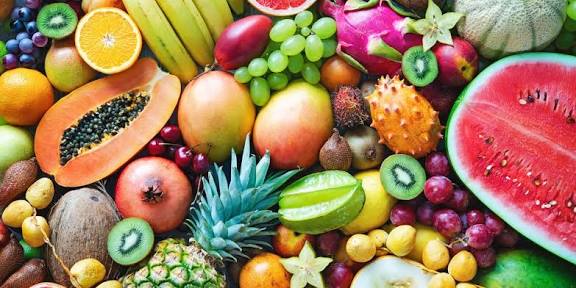
Fruits contribute important vitamins, minerals, and antioxidants that strengthen immune defenses. Citrus fruits—such as oranges, grapefruits, lemons, limes, and tangerines—are especially well known for their vitamin C content, which plays a critical role in immune cell activity.
However, citrus is not the only source of vitamin C. Broccoli, tomatoes, berries, and red bell peppers also provide substantial amounts. Cutler notes that fruits and vegetables collectively deliver a wide range of antioxidants and essential minerals that support overall health.
Poon encourages including apples in a winter diet, as they provide both fiber and antioxidants. She also suggests adding lemon juice to drinking water as an easy way to boost vitamin intake and support hydration.
Berries
Berries are among the most nutrient-dense fruits available and offer exceptional immune benefits. Strawberries, blueberries, blackberries, and raspberries are rich in fiber, antioxidants, and vitamins C and K1. These nutrients help regulate inflammation and support immune cell function.
Berries are also versatile and easy to include in daily meals. They pair well with breakfast foods such as steel-cut oats and yogurt, and they can serve as a healthier dessert alternative to sweets like cookies or ice cream.
Nuts, Healthy Fats, and Spices
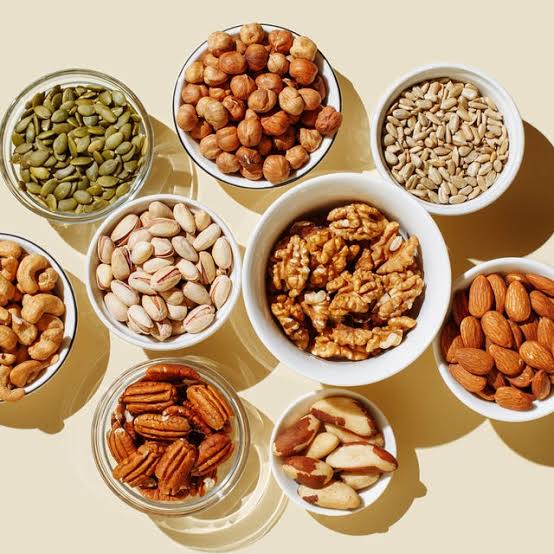
Healthy fats are another essential component of immune health. Nuts, especially almonds, are rich in vitamin E, a powerful antioxidant that supports immune function. Even a small handful of nuts can provide meaningful health benefits.
Cutler also recommends walnuts, flaxseeds, and fatty fish as excellent sources of beneficial fats. Lean proteins such as fish, poultry, beans, lentils, and tofu provide essential amino acids that the immune system needs to produce antibodies and repair tissues.
Fermented foods play a special role in immune support due to their probiotic content. Yogurt, kefir, sauerkraut, and kimchi introduce beneficial bacteria to the gut, strengthening the gut-immune connection.
Poon adds that avocados are another valuable source of healthy fats and emphasizes the importance of spices during winter. Garlic, turmeric, and black cumin seed can be incorporated into meals or taken as supplements to support the body’s natural defense mechanisms. These spices also have warming qualities, which can be comforting and balancing during cold weather.
Foods That Aid Recovery During Illness
If illness does occur, certain foods can help the body recover more efficiently. Warm broths and chicken soup provide hydration and essential nutrients. Garlic offers antimicrobial properties, while vitamin D–rich foods such as salmon, fortified dairy milk, and fortified oats support immune regulation. Fruits and vegetables high in vitamin C—such as citrus fruits, peppers, broccoli, and lemon juice—can also aid recovery. Yogurt supports gut health, which remains important even during illness.
Lifestyle Habits for Winter Wellness
Nutrition is only one aspect of staying healthy in winter. Public health experts emphasize additional protective measures such as proper handwashing, maintaining good indoor air quality, and staying up to date with recommended vaccinations for flu, COVID-19, and RSV.
Beyond prevention, everyday habits also matter. Getting enough sleep, engaging in regular physical activity, avoiding tobacco smoke, limiting alcohol intake, and staying well hydrated all help keep the immune system functioning at its best.
Poon also encourages paying attention to emotional and mental well-being during winter. The season naturally invites rest and reflection, offering an opportunity to slow down and recharge. Supporting the immune system, she notes, is not just about physical nourishment but about caring for the whole person—body, mind, and spirit.